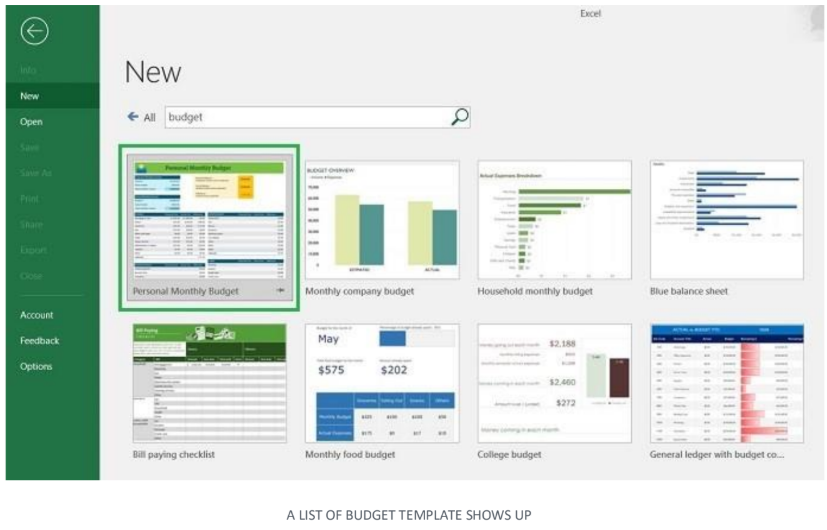
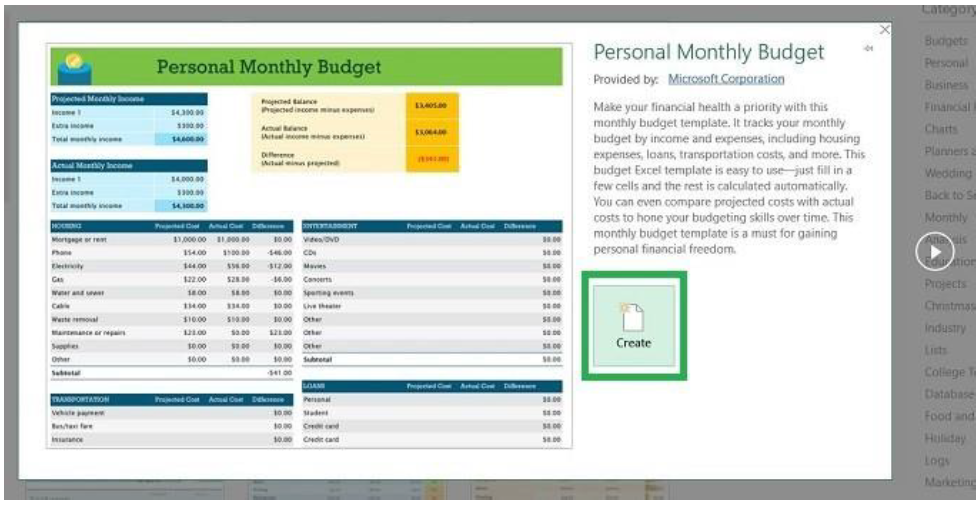
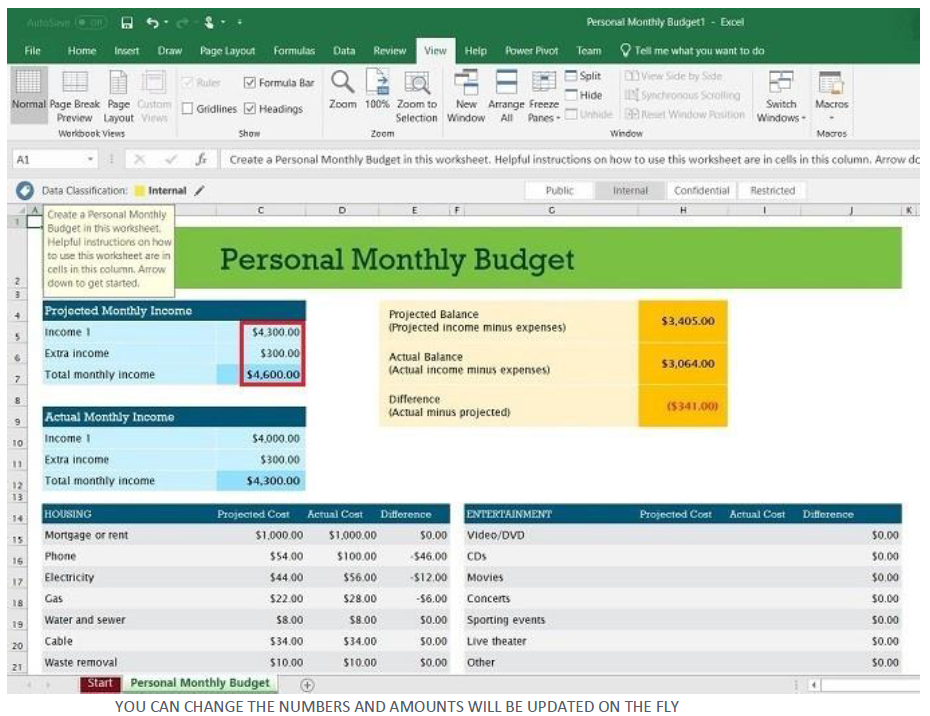
I will share at the end Budgeting for Beginners PDF file so bear with me
Managing money effectively starts with a solid budget.
Budgeting isn’t just about restricting spending; it’s about gaining control over your finances and working toward financial goals.
Whether you want to pay off debt, save for a big purchase, or simply stop living paycheck to paycheck, a budget is the foundation for financial success.
If you’re new to budgeting, this guide on budgeting for beginners PDF file will help you get started and stay on track.
Budgeting for Beginners PDF file below
1. Understand Your Income and Expenses
Before you create a budget, you need to know where your money is coming from and where it’s going. This means:
Calculating your total monthly income, including salary, side hustles, or passive income.
Listing all your expenses, including rent, utilities, groceries, insurance, transportation, and entertainment.
Categorizing expenses into fixed costs (bills that stay the same) and variable costs (expenses that fluctuate, such as dining out or shopping).
Tracking your income and spending for at least one month will provide a clear picture of your financial habits.
This is a crucial step as you will learn in budgeting for beginners PDF file.
2. Choose a Budgeting Method
Several budgeting techniques can help you allocate your income effectively. Here are three popular methods:
50/30/20 Rule: This method divides your income into three categories: 50% for necessities, 30% for wants, and 20% for savings or debt repayment.
Zero-Based Budgeting: Every dollar you earn is assigned a specific purpose, ensuring no money is wasted.
Envelope System: Cash is divided into envelopes for different spending categories, preventing overspending.
Choose a method that aligns with your financial situation and lifestyle.
Needs should always come before wants. Ensure your budget covers:
Rent/mortgage
Utilities
Groceries
Transportation
Insurance
Minimum debt payments
Once these are covered, you can allocate money to discretionary spending and savings.
4. Reduce Unnecessary Expenses
If you find that you’re spending too much, look for areas to cut back. Some simple ways to save money include:
Cooking at home instead of eating out.
Canceling unused subscriptions.
Using public transportation or carpooling.
Shopping with a list to avoid impulse purchases.
Small changes can add up over time and free up money for important financial goals.
Implementing what’s included in budgeting for beginners PDF file will improve your financial discipline.
5. Automate Savings and Bill Payments
To ensure you’re consistently saving money and avoiding late fees, automate the process:
Set up automatic transfers to a savings account.
Schedule bill payments to prevent late fees.
Use budgeting apps to track expenses in real time.
By automating savings, you’ll build financial security without having to think about it.
6. Build an Emergency Fund
Unexpected expenses can derail your budget if you’re not prepared. Aim to save at least three to six months’ worth of living expenses. Start small if necessary—even setting aside $10 a week can grow into a solid safety net over time.
7. Pay Off Debt Strategically
If you have debt, prioritize paying it off to reduce financial stress. Two effective strategies are:
Snowball Method: Pay off the smallest debt first to build momentum.
Avalanche Method: Focus on debts with the highest interest rates to save more money in the long run.
Eliminating debt frees up money for savings and investments.
This is a crucial and effective step listed under my budgeting for beginners PDF file.
8. Use Budgeting Tools and Apps
Technology makes budgeting easier than ever. Consider using apps like:
Mint: Tracks spending and categorizes expenses.
YNAB (You Need A Budget): Helps you plan for every dollar.
PocketGuard: Prevents overspending by showing how much is available after bills and savings.
These tools simplify the budgeting process and keep you accountable.
9. Review and Adjust Your Budget Regularly
A budget isn’t static; it needs to evolve with your financial situation. Set aside time each month to:
Compare actual spending with your budget.
Adjust categories as needed.
Plan for upcoming expenses like holidays or car maintenance.
Being flexible with your budget helps you stay on track without feeling restricted.
10. Stay Consistent and Motivated
Building good financial habits takes time, so be patient with yourself. Celebrate small victories, whether it’s saving your first $1,000 or paying off a credit card. Set realistic goals and remind yourself why you started budgeting in the first place.
Sticking to what is listed under budgeting for beginners PDF will help you stay on the right track.
Conclusion
Budgeting is a powerful tool that gives you control over your financial future.
By tracking expenses, cutting unnecessary spending, and prioritizing savings, you can build financial stability and achieve your goals.
Start with small, manageable steps and stay consistent—your future self will thank you.
Have your started saving for retirement or emergency fund?
Do you want to get rid of your debts and stop paying interests?
Do you want to stay in control of your finances and make the most out of your money?
If the answer is yes to some or all of the above
Then you have to learn how to budget your income right now
A budget is telling your money where to go instead of wondering where it wentFrom dave ramsey’s quote about the importance of creating a budget
Ingredients of a successful budget
Any household budget contains income and expenses
Obviously, this is a basic common sense
But I dare to say any successful household budget should include
Income
Expenses
Savings
Although Savings are considered part of the expenses but I consider it healthy expense or positive expense
Things to consider when creating a budget
There are few things to consider when planning for your budget
Don’t copy existing budget and follow its numbers
Remember no 2 budgets are similar even with the same exact income
Your income structure, if it is fixed like salary or variable like working on commissions
Or Your spending habits and your ability to overcome your indulgences
Or Your personality and if you can live a temporary ascetic lifestyle to achieve your goals
1) Think about your short and long term goals
Think about short term goal like building an emergency fund
While long term goal is saving money for retirement
Or it can be saving money for your dream home like $80,000 equivalent to 20% down payment
2) Analyze where your money is going
If you master this process, you will have full control over your budget
Categorize all your expenditures and get control on your spending
Remember groceries almost the same every month while gifts vary based on each month
For example, December is the Christmas or Hanukkah gifts season
Bottom line, you have to understand what affects each category to go up or down
3) Track your needs and wants
Needs are basic things to spend money without feeling guilty like
Groceries.
Mortgage or rent
Basic utilities
Transportation like Gas and/or public transit
Insurance like home and car insurances
Loan payments
Child care
But in the needs there are items like groceries and basic utilities that you can still revisit if they are all needs or you spend on your wants within them
For example, if you buy caviar and lot of alcohols
Also for basic utilities, do you really need your $40 GYM membership?
Wants are all things you consider to eliminate reasonably on your budget like buying clothes and going on vacation
Question for you, if you waste a lot of money buying gifts on Christmas or Hanukkah
Would you suggest drawing of names for gifts?
What are the four steps required in a budget
Very easy and simple 4 steps
Step 1 – Money In as Income
All paychecks along with child support if you have, annual bonus and tax refund
Step 2 – Money Out as Expenses
Step 3 – Evaluate your situation
Case 1 – You are in deficit as your income is not sufficient to cover your expenses
Consider cutting aggressively on your flexible expenses like groceries or non essential utilities
Check how much you pay for your mortgage/rent
If your mortgage/rent is more than 40% – something is wrong here
You either have to downsize your home or negotiate your rent otherwise find another place to rent where you can afford it
Case 2 – Your income covers basic expenses but not all flexible expenses
You are in a better position but having extra money after paying your credit cards and bills without a plan is useless
Because one month you have extra expenses, those money in the same checking account will pay your expenses so you did not use your surplus from previous months to start a dedicated saving plan
Start with reasonable amount to save and consider cutting more on your discretionary items
I would say start first to build an emergency fund with $1,000 to save aside
After you complete your emergency fund then start your retirement saving plan if you don’t have one
Case 3 – Your income covers all your expenses with always a surplus
Build the emergency fund right away along with starting the retirement saving plan together
Step 4 – Try the proposed solution and revisit your budget again for adjustment
What are all types of Budget methods
First I really believe in donations and giving tenth according to the bible
That’s why I liked any type of budget that consider giving donations
6 Remember this: Whoever sows sparingly will also reap sparingly, and whoever sows generously will also reap generously. 7 Each of you should give what you have decided in your heart to give, not reluctantly or under compulsion, for God loves a cheerful giver.2 Corinthians 9:6-7
1) 10% Savings
10% saving rule requires you to save 10% of your income for retirement
Those who want you to save 20% of your income, I believe they don’t donate and this makes sense
You cannot donate 10% and still save 20%
I would choose to donate 10% and save 10%
Again I am not here to preach you
2) The reverse budget method – Pay yourself first
The reverse budget method is also called pay yourself first because you just deduct the saving amount first when you get paid
You prioritize your savings over all other things
Then pay your bills or if you are getting paid on a different day other than the day you pay your bills then make sure you reserve money to cover your bills
The reverse budget method is also called spending plan after saving
The only disadvantage of using the reverse budget method is that you don’t track where your money goes for the rest of all expenses
3) Zero sum budget method
Zero sum budget employs every dollar you get from your income
It is called giving every dollar a job to do
And so you get a budget net value of zero
This strategy implies getting a net positive value and using it in a proper saving channel
That’s why the zero sum helps you to get the mindset of minimizing your expenditures and get a net value to invest in savings and retirement
4) The cash envelope budget method
The envelope method is very tough
Actually I can’t follow it, it assumes you spend your budget using cash only
If you assign $500 on grocery, you add $500 cash in an envelope labelled food
You manage to spend money gradually on food using this food envelope
When you are done, it is over no exception
5) The value based budget method
With the value based budget method, you assign money to your most value thing
For example, if you have passion about travel then you set an amount monthly as travel fund
Again you don’t track your money on all expenses but it helps you prioritize your money which you set aside to one value
6) The half payment method – living paycheck to paycheck
The half payment method is not complicated at all
Simply it is called the half payment because it divides each bill into two halves
It assumes you get paid biweekly and each bill is paid monthly
Now you distribute each half bill amount into 2 weeks contributions till you get you next paycheck
The half payment budget method is really good if you are living paycheck to paycheck
For example, if you get paid $1,400 biweekly and you mortgage/rent is $900
Then you have half mortgage/rent payment of $450 to set aside and $950 left out of your paycheck to spend on other living expenses
It just needs discipline and it is better to start it with one big bill and see it works
Then you can add bills to it later on
7) The 50/30/20 Budget method as known as balanced money formula
The 50/30/20 budget method also known as the balanced money formula
It allocates 50% on needs, 30% on wants and the remaining 20% to savings
8) The 10-10-80 Budget method
This 10-10-80 budget rule assumes any household needs to spend 80% from earnings to live comfortable
They donate 10% and save 10%
Assume that you save 30% of your income and spend 70% on your living expenses
9) The 70-20-10 Budget method
The 70-20-10 budget rule looks to me like a detailed plan to the 70/30 budget rule
Where 70% goes towards living expenses
20% for savings detailed like 10% goes to retirement saving, 5% for emergency fund and the remaining 5% for saving goals like vacation or buying expensive item
10% remaining goes towards paying your debt
What should be included in your family budget?
Mortgage or Rent
Groceries
Home and Auto insurance
Medical insurance
Prescriptions drugs
Irregular expenses as known as emergency expense – not to be confused with the emergency fund
Household maintenance
All recurring subscriptions like Internet, Cable, Netflix, Cell phone bills and Car payments if you have any
Memberships like GYM or web hosting if you have it
Entertainment
Social Events like birthdays, weddings and your anniversary
Holiday expenses like Thanksgiving if you are hosting it, Christmas or Hanukkah gifts
Donations
How do you create your first monthly budget?
Start your first monthly budget by assessing your previous month expenses from your credit cards or debit
You might get stuck remembering what was this transaction for
Usually most credit cards add category for the transaction like grocery, gas or restaurant
If not, you have the description to remind you
I remember I called my credit card customer service when I suspected a transaction
They have long description better what I see on my statement
1) Get a grid or blank paper, pencil, rubber eraser and calculator
I am asking to work with pencil so expect a lot of editing and shifting things downwards and may be upwards
You also need a simple calculator that can do addition, subtraction, multiplication and division
You can use your cell phone calculator
2) Give your budget a title with month and year
At the top middle of your page, give your budget a title
Make it simple, it is Family Budget or Household Budget followed by month then comma and year
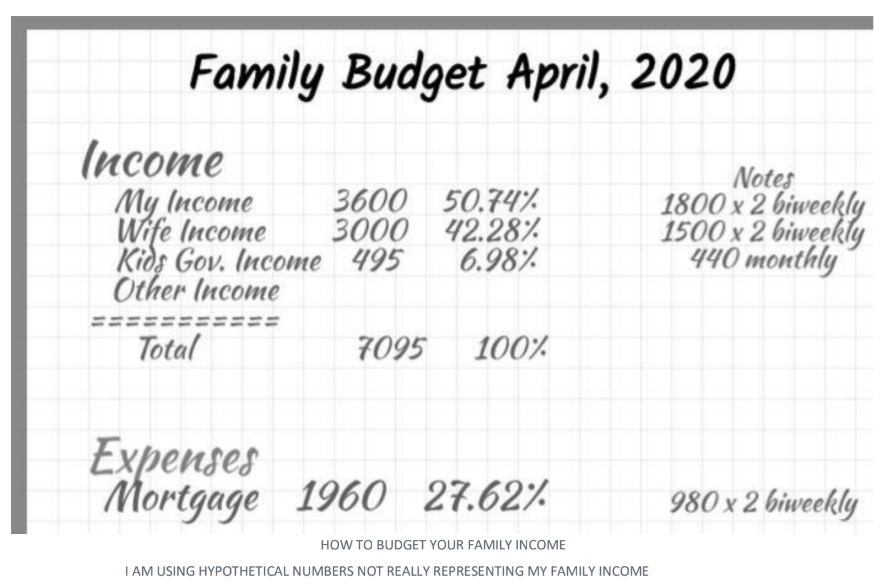
e.g. Family Budget April, 2020 I like to use “family“ more than “household” word, again it is up to you
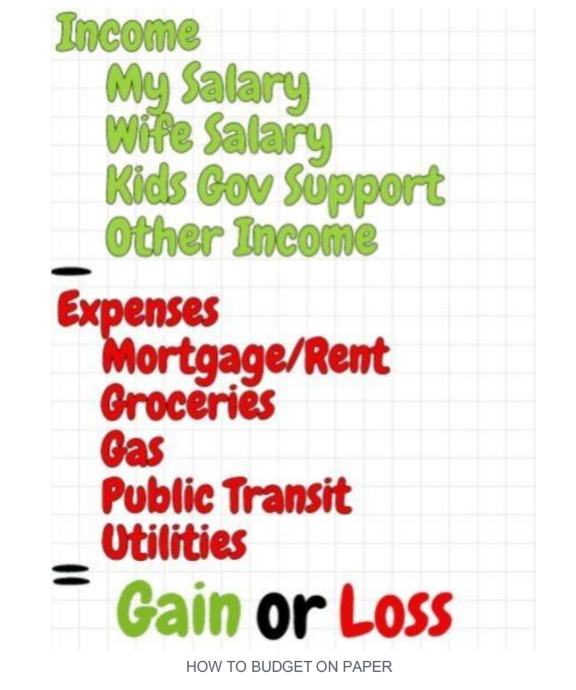
3) Sketch your paper in advance for expenditures
Income is 2 to no more than 5 – 6 lines while expenses are a big list
Divide 1 to 4 portions
This means start dividing your paper into quarter for Income and four quarters for all expenses
Use indentation to make budget readable
Use indentation to help you glance each section easily
Remember you want to take decisions based on your income and expenses
List fixed expenses on top – optional tip
We have few expenses that are very hard to lower like mortgage or car loans
While other expenses are possible to lower like home and car insurances
Start listing all expenses sorted by hardest to lower down all the way down to these than you can negotiate or replace/cancel them
4) Get familiar calculating percentages
Don’t freak out when dealing with any percentage
Basic rule is, all combined income is 100% that act as the base value used for any percentage
Any expense should be divided by total income and then multiplied by 100
e.g. my family total income is 7095 which represents 100%
It acts as the base for all other numbers to divide upon it
My salary is 3600 as 1800 every two weeks so it is equal to 50.74%
I came up with this percentage as I divided 3600 which represents my income over the total income the 100% value which is 7095
So, 3600 divided by 7095 = 0.507399577167019 x 100 = 50.74%
Keep things simple, I just pasted what my calculator displayed for me
Again 3600 divided 7095 = 0.50739 x 100 = 50.739%
If the number after the 2 digits greater than 5, round the digit left to it by 1
e.g. my result is 50.74 since 9 is greater than 5
Finally, to make sure you have correct percentages
Make sure that all percentages in every income totals up to 100%
e.g. 50.74% + 42.28% + 6.98% = 100%
5) Choose and apply a budget type
I prefer the 10-10-80 budget rule but Why?
First, it addresses the fact that you only save 10% as the other 10% goes as donation
If you don’t donate, then you have a room for 20% savings
Second, the 80% gives you flexibility to adjust yourself to allocate 80% of your income as fixed and variable expenses along with the mortgage/rent payment
Simple Family Budget
6) Fill in the blanks – my solution to your budgeting concern
Now you have all components ready and you know how to calculate the percentages
Doing your own budget can be fun and intriguing
It brainstorms your mind to think about saving money on everything
Click on the link below to use a family budget PDF right away
If it asks you to login, you can use your existing gmail account or create a new gmail
Or you can sign up with your own non gmail email
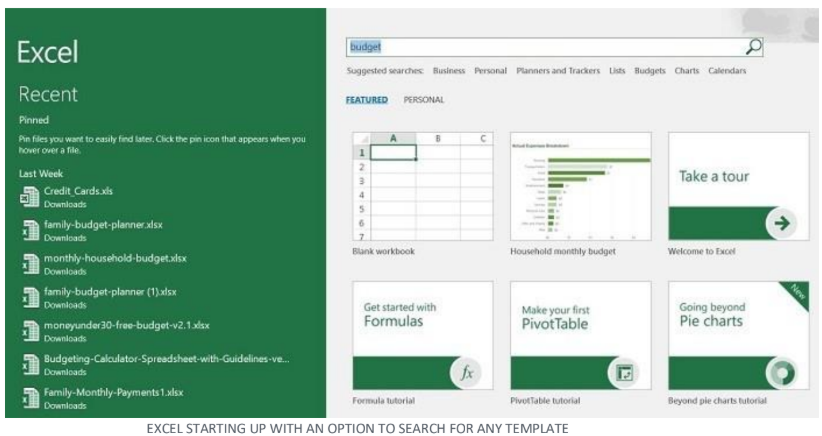
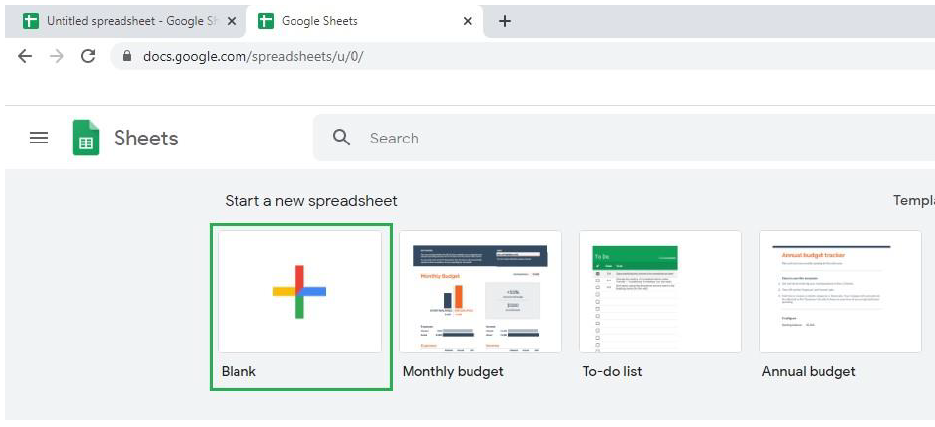
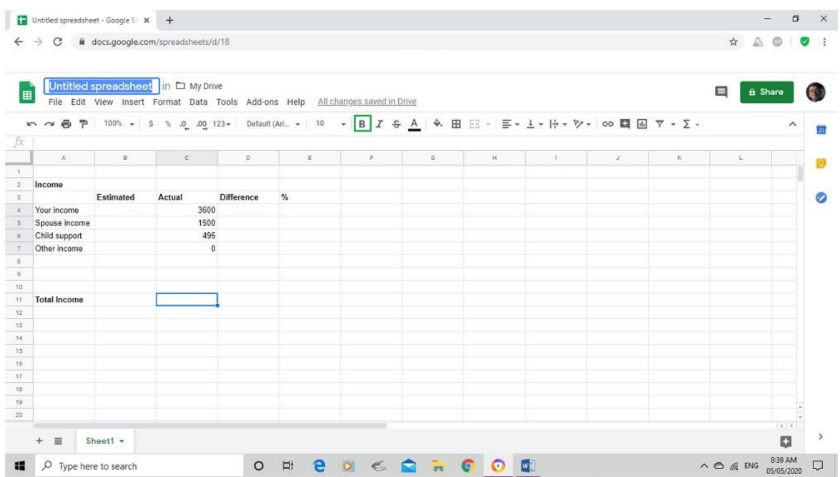
First click on Blank to create a new family budget for specific month and year
Rename your budget to Family Budget April, 2020
This is just an example, change it to whatever month and year you like
I prefer to start the Income header on row 2, in case I want to add a title on row 1
You can bold few cells by using the B button in green box
I made Income, Total Income, Estimated, Actual, Difference and % as bold
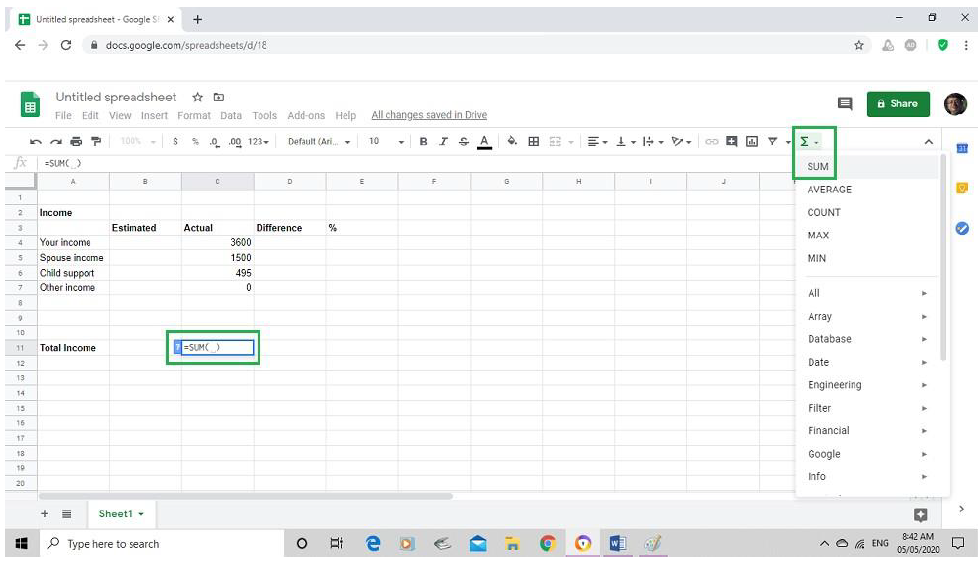
Click on cell C11 to prepare to sum all previous incomes
Go to the sigma sign and select SUM as shown below in green box
By default, all numbers starting from cell C4 3600 to cell C7 0 will be selected
To specify a range, just click on the beginning of the cells where you want to start your addition
Then hold the shift and click on the end cell where you want to end your summation process then hit enter
Now when it comes to doing the same process for expenses
You can add the expenses vertically to be under Income or horizontally
I want you to understand the concept and do whatever you like
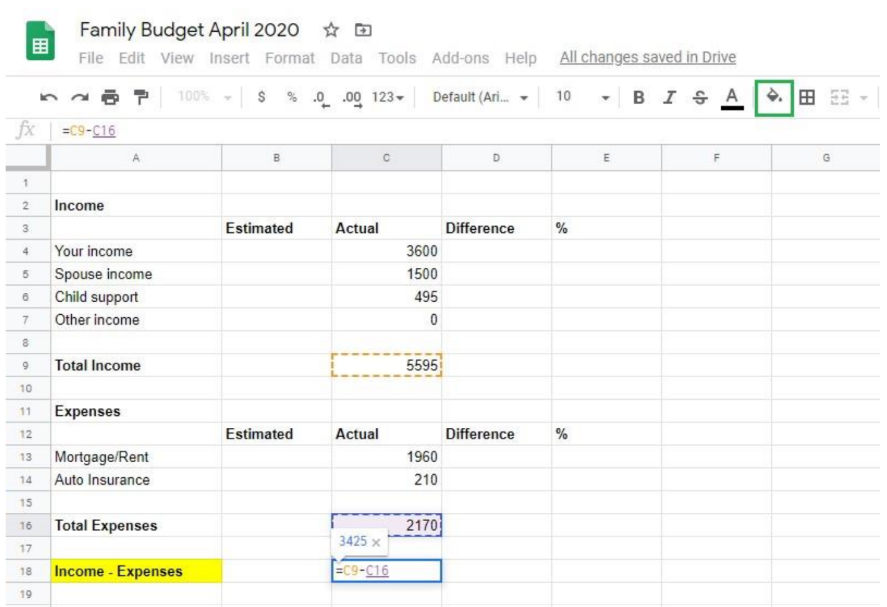
I added expenses below income as shown below
Cell A18 I added Income – Expenses and highlighted them in yellow by clicking on the paint bucket icon in green sqaure
I went to cell C18 and typed “=” followed by one click on total income amount C9 cell then press the minus sign “-“ followed by total expenses amount C16 cell
You can see the net value of 3425 showing on a tool tip
Hit enter key or return in mac to list the net result in cell C18
So far so good, right now you have a budget
You can expand it according to all of your expenses
Keep in mind all income and expenses are calculated as a percentage based on total income
I went to cell E4 and typed “=” followed by one click on your income amount C4 cell
Then press the divide sign “/” followed by a click on the total income amount C9 cell
Repeat the above 2 steps for all income as shown below
To convert all numbers to percentage
Click on cell E4 and hold down the shift key and press on the last cell which is Other income cell E7
All cells from E4 to E7 will be highlighted then click on the Format as percent button as shown below
Sum all the percentages for total income cell E9, it should be 100% as shown below
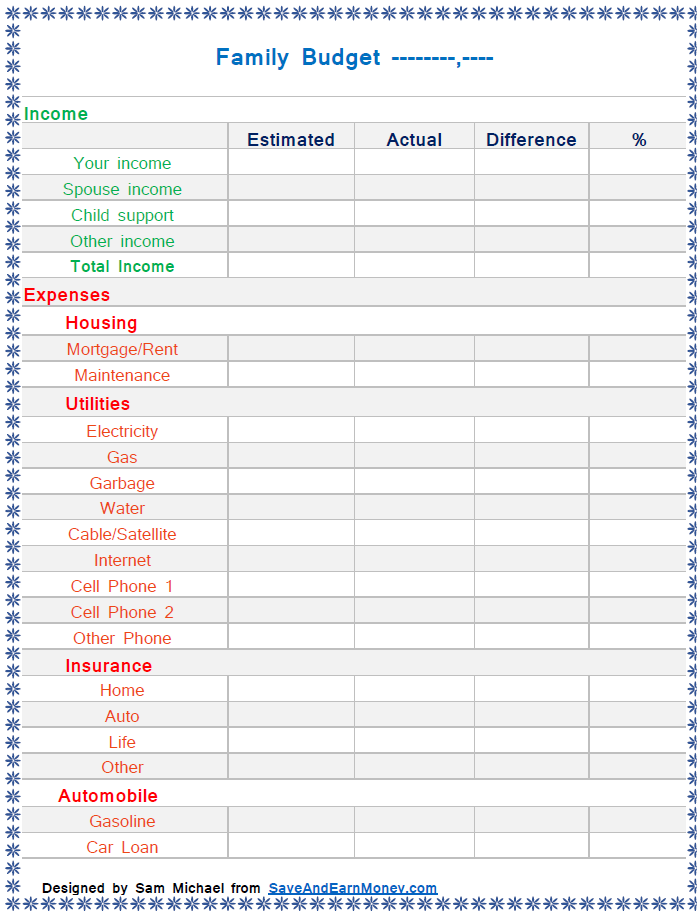
I have a family budget sheet for you to use right away, just click on the link below
He describes the spouse working on the a budget with the nerd and the free spirit
One partner creates a rigid budget with no room to breathe and vulnerable for mistakes to happen
Other spouse is the free spirit that cares about the want more than the need
This turns the how to budget process hard to cover all needs
Both spouses should create a budget to agree upon and to commit to follow it
3) Identify your income for the month
Is this a regular month where you will get paid biweekly twice a month
Or one of the 2 lucky months where you will get paid 3 times a month
Or are you getting a bonus
Sometimes some companies deduct more taxes on the first 6 months then they lower the deduction leading to high paycheck after July – August
4) Calculate your fixed expenses
Not all expenses are created the same
Mortgage/rent
Internet
Cable subscription
GYM
Netflix
Cell phone bills
Car payments
Home and auto insurances
All of the above fixed expenses are always the same amount every month
You have to deduct them from your income in your budget draft
This gives you a clear picture of how much left on your budget
5) Calculate your variable expenses
Variable expenses like the below ones should not be hard to predict
Groceries
Dining out
Electricity/heating
Water bill
Phone data plan (if not unlimited)
Costs of pet ownership
Gas
Credit cards
Recurring doctor or therapy co-pays
Prescription costs
Just do the following and you should be OK
I will start by groceries
Check your bank statement or the credit card which you use for paying your groceries for the last 3-6 months
If you find amounts for the past 6 months are pretty much close to each other then take the highest amount and consider it your monthly budget for grocery
If it is fluctuating with reasonable amounts, sum all the 6 months and divide them by 6
For example, $485 + $535 + $405 + $565 + $505 + $360 = $2855 / 6 ~ $475
Consider the above number your monthly estimated budget you carry it over on your draft budget copy
For variable expenses that are really fluctuating like health care expenses
You can have one month $40 dispensing fees for drugs and miscellaneous healthcare items while another month you get a root canal to fix
In this case, create the lower limit of $50 and create a buffer account to have it on your monthly budget to cover these emergencies
Remember you don’t have to touch the emergency fund if your buffer account covers your all of the sudden bill for this month
6) Apply your saving and adjust your expenses accordingly
Stick to a zero based budget as you have to assign a job for every dollar
All of the above mentioned budgeting methods stress on one thing you care about
For example, the value based budget and the reverse budget methods don’t address how you are going to handle your income to meet all expenses
I follow the 10% saving and donating 10% using pay yourself first then following the zero based budget
7) Track your spending frequently
Checking your budget before the end of the month would make it very hard to make any correction if you were already drafted in a deficit
Exception to the above if you are using the envelope system
But since few families use the envelope system, you must and should check your budget progress weekly
You still have a lot of rooms to fix anything before it is too late
8) Adjust your budget based on your mistakes
Mistakes happen even if you track your expenses and review your budget on a weekly basis
What I mean by mistakes, if you decide to budget your grocery to $475 per month
This means your weekly budget is set to $118.75
If you notice 2 weeks in a row you go over $125 and you notice that’s because you buy expensive types of cheese
I am totally against cutting something from your grocery
I always recommend to amend your grocery list to either reduce an item or replace an item you really don’t care about
For example, if you are buying a specific K-cup coffee for your Keurig K-cup machine and it doesn’t matter to replace it with cheaper brand but keep your same type of cheese
Then feel free to do so
You and your spouse are the master of your budget, embrace mistakes in budget as it will teach you to be a financial adviser for your house
9) Make your budget on paper not digital
Yes I meant here paper and not digital
You need paper budget and stick it to a place you always visit at home
The digital spreadsheet budget will help you to make adjustment as fast as possible
In less than a second, you change an item all total amounts will be updated instantly
How do you stick to your budget?
If you followed me in my journey on how to budget your family income on paper and digitally
I don’t know you, I know myself and I know I can stand to good degree against temptation
Nobody is going to force you to follow your family budget but top financial planners found some clues to assist you to stick to your budget
1) Creating your budget with your partner
I mentioned earlier, budget is not a personal decision
If both spouses they don’t agree on every single item on their budget
My advice to both of you, don’t commit to it
My wife knows how much I love blogging and the cost incurred to that
I make sacrifices to other things , my point here is that we have to absorb each other
2) Set a visual board for your financial goals
Nobody can really explain to you the importance of setting a visual board
You have to try it yourself and see how effective it is
Not only to help you stick to your budget but for setting and achieving your goals
Visual boards have the magic as being hypnotized to your dreams
If you look for hypnosis in dictionary, being able to focus deeply on what you are thinking about and this is the state you need to reach it
3) Share your saving goals with other buddy
According to Dave Ramsey’s book Total Money Makeover
He talks about “Keeping up with the Joneses” as you follow what close friends or family members do
It turns out that they were broke too
Look for responsible couples who take the budgeting matters seriously
I also found a forum called MrMoneyMustache that can help you express yourself and find serious people to talk about their experiences on how to budget your household income effectively
4) Add indulgence to your budget
If you really get to know me well
I apply things on myself to see how practical it is before recommending it to my readers
I won’t tell you to cut your morning coffee
According to myself, I reduced my morning Starbucks from 5 days a week to 1-2 times a week
My point here, you know yourself well, make enough room in your budget to help you adapt to any sudden drop in any item
For example, don’t slash going to restaurants item to zero if you love dinning out
I am totally against the other extreme
5) Make sure you set a realistic budget – this requires that you review your monthly budget before the beginning of every month
I said earlier, not every month you will face the same challenges
You can get 3 paychecks in one month, yes it happens twice a year, and you will be able to get your budget on track
Other months you can have a couple of birthdays, I would ask you to skip the meat and poultries every other week or skip the deli
You know this is a temporary workaround and you will be back to normal
That’s what I meant by setting a realistic budget, cut things you can avoid for short period of time
6) Setup automatic transfers for expenses
I discussed earlier how to plan for all expenses whatever fixed or variables
You must be confident to set up all your utilities to be paid automatically
I almost have all of my bills deducted from my checking account automatically
If you want to be on the safe side, you can ask your bank to add the overdraft limit service on your checking account
Bank will charge you one-time fee if any automatic payment overdraft your checking account limit
Point is you don’t want to miss any bill and you end up paying a penalty
7) Create a social calendar
Christmas or Hanukkah always comes on December
Rule of thumb, you have no surprises and that’s why I recommend creating a social calendar
Stick a calendar on your fridge for the upcoming month, resize it reasonably to have each day of the month enough to write the event(s) on that day
The best thing about keeping the social calendar in front of you is that you can add anything that comes on the fly
Like being invited for dinner from a friend where you have to buy a gift for them
You can have 2 colors on your calendar, green for planned events and red for upcoming sudden events
8) Track your spending digitally – excel sheet or mobile apps
You need to track your budget at least once a week
Review it on a digital format so when you make adjustment you get instant update
You need to love the budget concept and not have yourself when summing up all the expenses over and over when you make any slight change
9) Measure your success – measure it on a short and long term periods
The true measure of budget success by experiencing if you encountered any pressure to meet your budget
You can easily follow my steps on how to budget your family income
But how hard was it to reach the zero sum budget If you have difficulty reaching your end of month goals
This is a significant indication that you to review your budget again and again till it works for you with little to no effort
Finally, I hope you find my little effort teaching you how to create a personal budget to be useful
I encourage you to buy the Word and Excel files to start working on your family budget right away for only $2